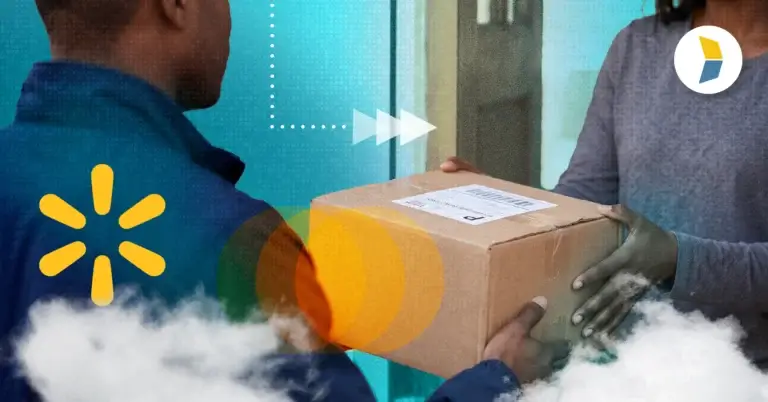
Walmart Fulfillment in 2026 and What Sellers Should Know
Walmart’s growing marketplace creates opportunities for brands, but fulfillment decisions still depend on product economics. Review WFS costs and how a 3PL fits into the process.

Walmart’s growing marketplace creates opportunities for brands, but fulfillment decisions still depend on product economics. Review WFS costs and how a 3PL fits into the process.

Supplement brands now sell through storefronts, marketplaces, subscriptions, and retail shelves. Each channel changes how inventory is allocated, packed, documented, and delivered, while the customer expects the right product at the right time.
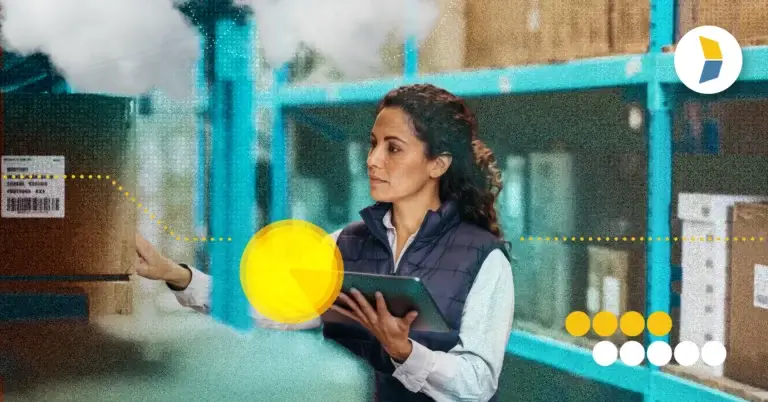
WMS, OMS, and TMS handle different parts of fulfillment, but brands experience the handoffs between them. This updated guide compares their roles and shows how integrations, practical automation, and AI can support a connected 3PL operation.

Amazon no longer prepares or labels inventory before it enters its U.S. fulfillment network. Learn what FBA prep requires in 2026 and how brands can keep inventory compliant and moving.

Same-day delivery is no longer the fastest option on the checkout page. Amazon, Walmart, and The Home Depot are building services measured in hours or minutes, but ultrafast delivery only makes sense when the product, market, and economics align.

The right 3PL technology can improve inventory visibility, streamline workflows, support complex fulfillment needs, and give brands more control as they scale.

Standard shipping is getting more expensive in 2026. See how carrier pricing has changed, what standard delivery really means, and how 3PL shipping can help brands control parcel costs.
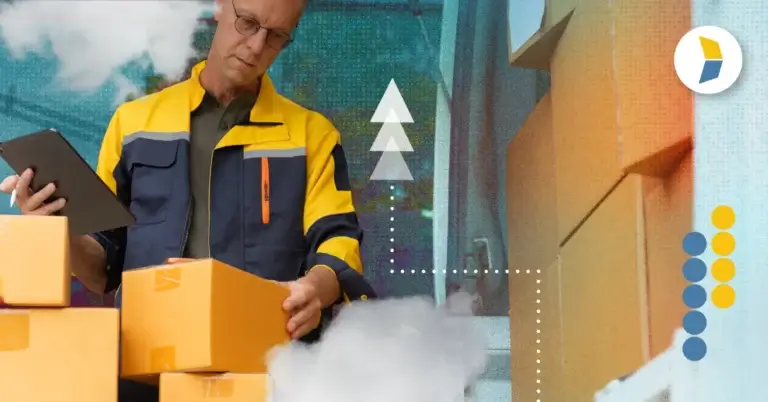
Peak season surcharges are rising on top of already higher shipping costs in 2026. See what FedEx, USPS, Amazon, and other carriers have announced, what has changed since 2025, and which peak fees are still pending.

Amazon FBM gives sellers more control, flexibility, and cost savings—especially for low-volume, oversized, or custom items. This guide covers how it works, when to use it, and how to pair it with FBA and 3PLs for a stronger fulfillment strategy.
Walmart’s growing marketplace creates opportunities for brands, but fulfillment decisions still depend on product economics. Review WFS costs and how a 3PL fits into the process.

Supplement brands now sell through storefronts, marketplaces, subscriptions, and retail shelves. Each channel changes how inventory is allocated, packed, documented, and delivered, while the customer expects the right product at the right time.

WMS, OMS, and TMS handle different parts of fulfillment, but brands experience the handoffs between them. This updated guide compares their roles and shows how integrations, practical automation, and AI can support a connected 3PL operation.

Amazon no longer prepares or labels inventory before it enters its U.S. fulfillment network. Learn what FBA prep requires in 2026 and how brands can keep inventory compliant and moving.

Same-day delivery is no longer the fastest option on the checkout page. Amazon, Walmart, and The Home Depot are building services measured in hours or minutes, but ultrafast delivery only makes sense when the product, market, and economics align.

The right 3PL technology can improve inventory visibility, streamline workflows, support complex fulfillment needs, and give brands more control as they scale.

Standard shipping is getting more expensive in 2026. See how carrier pricing has changed, what standard delivery really means, and how 3PL shipping can help brands control parcel costs.

Peak season surcharges are rising on top of already higher shipping costs in 2026. See what FedEx, USPS, Amazon, and other carriers have announced, what has changed since 2025, and which peak fees are still pending.

Amazon FBM gives sellers more control, flexibility, and cost savings—especially for low-volume, oversized, or custom items. This guide covers how it works, when to use it, and how to pair it with FBA and 3PLs for a stronger fulfillment strategy.