Amazon no longer prepares or labels inventory before it enters its U.S. fulfillment network. Learn what FBA prep requires in 2026 and how brands can keep inventory compliant and moving.


Amazon no longer prepares or labels inventory before it enters its U.S. fulfillment network. Learn what FBA prep requires in 2026 and how brands can keep inventory compliant and moving.

AI agents are moving closer to making purchases for consumers while new forecasts point to strong ecommerce growth through the holidays. Amazon Shipping has announced its 2026 peak surcharges, FedEx is tackling cross-border costs, and BuyWander raised $21 million to expand its marketplace for returned goods.

Unexpected peak-season charges often begin with preventable operational variance. Learn how better forecasting, packaging, warehouse planning, daily reporting, and documented cost controls can help brands manage 3PL costs while protecting customer satisfaction and margins.

AI assistants are helping holiday shoppers choose gifts before they reach a retailer’s website. As these discovery channels grow, retailers face new questions about anticipating demand and keeping delivery promises during peak season.

Ecommerce sellers are already using AI to prepare for holiday, while USPS adds another peak-season cost consideration. This week also brings a $10 million ecommerce fund, Sur La Table’s move into recommerce, new FTC scrutiny of personalized pricing, and retailers reducing product variety to manage higher costs.

Same-day delivery is no longer the fastest option on the checkout page. Amazon, Walmart, and The Home Depot are building services measured in hours or minutes, but ultrafast delivery only makes sense when the product, market, and economics align.

The right 3PL technology can improve inventory visibility, streamline workflows, support complex fulfillment needs, and give brands more control as they scale.

Ultrafast delivery accelerates, Amazon scales drones, toy sales jump 17%, Target gives emerging food brands a bigger platform, and August consumer confidence weakens heading toward holiday.

Standard shipping is getting more expensive in 2026. See how carrier pricing has changed, what standard delivery really means, and how 3PL shipping can help brands control parcel costs.
Peak season surcharges are rising on top of already higher shipping costs in 2026. See what FedEx, USPS, Amazon, and other carriers have announced, what has changed since 2025, and which peak fees are still pending.

Subscription fulfillment now extends well beyond the traditional monthly box. See how recurring ecommerce models are changing inventory, order management, warehouse workflows, and what brands need from a subscription fulfillment center.
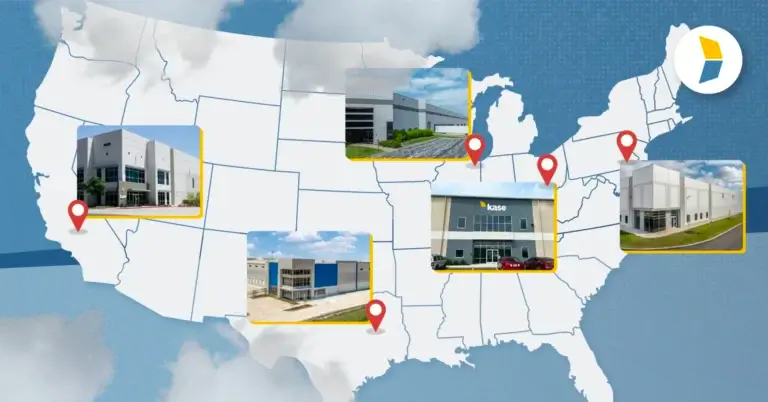
Discover the top US fulfillment locations and the benefits of choosing a location aligned with current operations and growth plans.